We Use CookiesWe use cookies to enhance the security, performance, functionality and for analytical and promotional activities. By continuing to browse this site you are agreeing to our privacy policy

10 Best Plant Fertilizers 2026 in the United States

#1

Winner

10.0 score

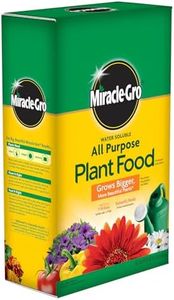
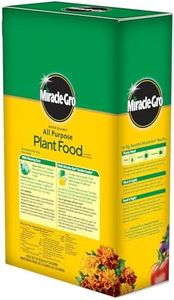
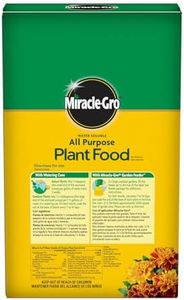
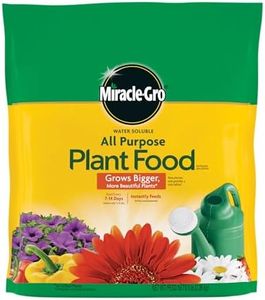
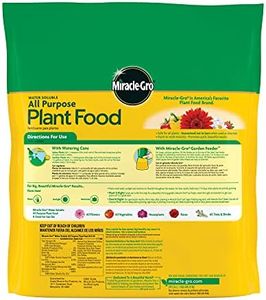
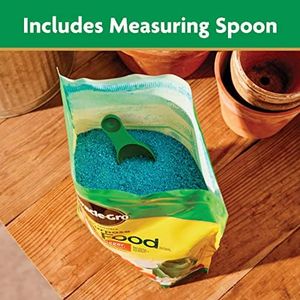
Miracle-Gro Water Soluble All Purpose Plant Food, 10 lb.
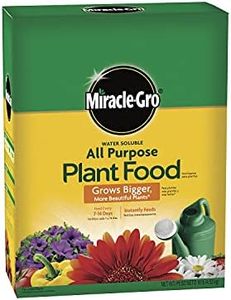
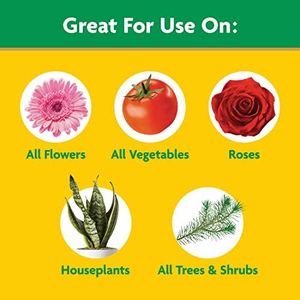
The Miracle-Gro Water Soluble All Purpose Plant Food is a versatile fertilizer suitable for indoor and outdoor plants, including flowers, houseplants, vegetables, and trees. This product is known for its efficiency, as it begins working instantly to promote growth and produce more vibrant plants. It's easy to use with either the Miracle-Gro Garden Feeder or a standard watering can, making it convenient for gardeners of all experience levels.

Rating
10.0
Chosen by1,201
Application Method

Most important from
30743 reviews

Application Method
The formula is water-soluble, so you can simply mix it with water in a watering can or hose-end sprayer. It's also safe for all plants, so you don't have to worry about burning them.
#2
9.4 score

Miracle-Gro Water Soluble All Purpose Plant Food - Fertilizer for All Indoor or Outdoor Plants Including Roses, Flowers, Vegetables, Houseplants, Trees, and Shrubs, 12.5 lbs.
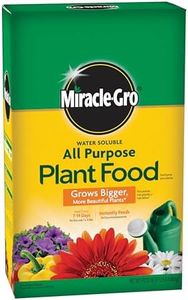
Miracle-Gro Water Soluble All Purpose Plant Food is a versatile fertilizer suitable for a wide range of plants including indoor houseplants, outdoor flowers, vegetables, shrubs, and trees. Its N-P-K ratio of 24-8-16 means it is high in nitrogen, which supports strong leaf and stem growth, making it ideal for plants that need a nutrient boost for greener, lusher growth. The fertilizer is synthetic and water-soluble, allowing it to start working quickly when mixed with water, which is convenient for regular feeding through watering cans or garden feeders.

Rating
9.4
Application Method

Most important from
30730 reviews

Application Method
The granules dissolve quickly in water and are easy to apply with a watering can or hose sprayer, making feeding simple and convenient.
#3
9.1 score

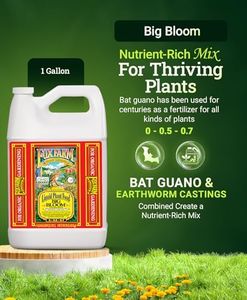
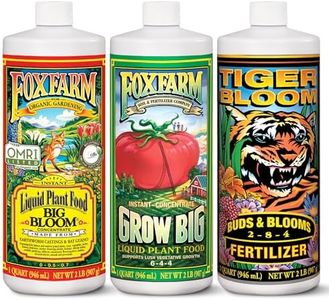
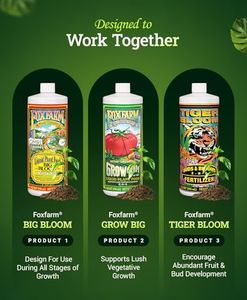
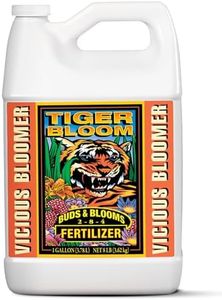
Fox Farm Big Bloom Liquid Plant Food - Organic Bloom Fertilizer for Flowering & Fruiting Plants, Contains Earthworm Castings & Bat Guano - Supports All Stages of Plant Growth - 0-0.5-0.7 NPK, 1Gallon
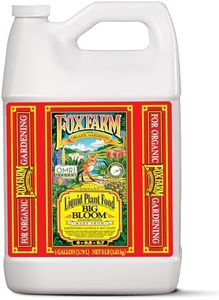
Fox Farm Big Bloom is an organic liquid fertilizer designed especially for flowering and fruiting plants. Its N-P-K ratio of 0-0.5-0.7 means it contains very low nitrogen but provides small amounts of phosphorus and potassium, which are important for blooms and fruit development rather than leafy growth. This makes it well suited for gardeners who want to encourage flowers and fruits rather than overall plant size.

Rating
9.1
N-P-K Ratio
Type of Fertilizer
Organic vs. Synthetic

Most important from
13284 reviews

N-P-K Ratio
The low nitrogen but rich organic content supports robust root development and abundant flowering without the risk of nutrient burn.
Type of Fertilizer
Natural ingredients like bat guano and earthworm castings enrich the soil, fostering beneficial microorganisms that enhance overall plant vitality.
Organic vs. Synthetic
Natural ingredients like bat guano and earthworm castings enrich the soil, fostering beneficial microorganisms that enhance overall plant vitality.
Application Method
This fertilizer is incredibly easy to use, with clear dosage instructions that allow gradual adjustment to suit different plant needs.

Top 10 Best Plant Fertilizers 2026 in the United States
#1

Winner

10.0  score

Miracle-Gro Water Soluble All Purpose Plant Food, 10 lb.

Type of Fertilizer: Water Soluble Plant Food
Organic vs. Synthetic: Synthetic
Application Method: Garden Feeder or watering can

Chosen by 1201 this week

Miracle-Gro Shake 'N Feed Rose & Bloom Plant Food, 4.5 lb

Type of Fertilizer: granular
Organic vs. Synthetic: natural mix, mostly organic
Micronutrients: kelp, feather, bone meal, castings
Application Method: shake granules on soil, mix, water

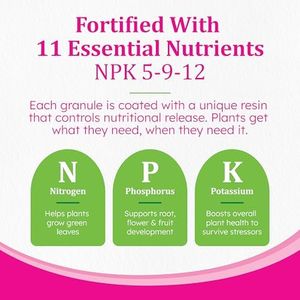
Osmocote Smart-Release Plant Food Plus Outdoor & Indoor1, 8 lb.
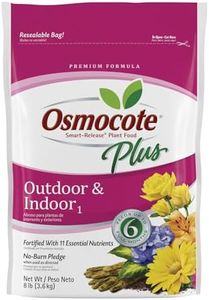
N-P-K Ratio: balanced nitrogen, phosphorus, potassium mix
Type of Fertilizer: granular
Organic vs. Synthetic: synthetic
Micronutrients: 11 essential micronutrients included
Soil pH Compatibility: compatible with most soil pH levels
Application Method: sprinkle granules around plants

Miracle-Gro Shake 'N Feed Tomato, Fruit & Vegetable Plant Food, 4.5 lb.
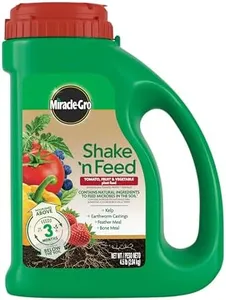
N-P-K Ratio: 10-5-15
Type of Fertilizer: Granules
Organic vs. Synthetic: Synthetic
Micronutrients: Calcium
Application Method: Work granules into topsoil
How do we rank products for you?

Our technology thoroughly searches through the online shopping world, reviewing hundreds of sites. We then process and analyze this information, updating in real-time to bring you the latest top-rated products. This way, you always get the best and most current options available.

headphones-stars

Buying Guide for the Best Plant Fertilizers

Choosing the right plant fertilizer is essential for the health and growth of your plants. Fertilizers provide essential nutrients that plants need to thrive, and selecting the right one can make a significant difference in the success of your gardening efforts. When picking a fertilizer, consider the type of plants you are growing, their specific nutrient needs, and the growing conditions. Understanding the key specifications of fertilizers will help you make an informed decision and ensure your plants receive the proper nourishment.
N-P-K RatioThe N-P-K ratio represents the percentage of nitrogen (N), phosphorus (P), and potassium (K) in the fertilizer. These are the primary nutrients that plants need. Nitrogen promotes leafy growth, phosphorus supports root development and flowering, and potassium enhances overall plant health and disease resistance. For leafy vegetables, a higher nitrogen content is beneficial, while flowering plants and root crops may require more phosphorus and potassium. Choose a balanced ratio for general use or a specific ratio tailored to your plant's needs.
Type of FertilizerFertilizers come in various forms, including granular, liquid, and slow-release. Granular fertilizers are easy to apply and provide nutrients over time, making them suitable for long-term feeding. Liquid fertilizers are quickly absorbed by plants and are ideal for a rapid nutrient boost. Slow-release fertilizers gradually release nutrients over an extended period, reducing the need for frequent applications. Consider the convenience and specific needs of your plants when choosing the type of fertilizer.
Organic vs. SyntheticOrganic fertilizers are made from natural materials such as compost, manure, and bone meal. They improve soil structure and promote beneficial microbial activity. Synthetic fertilizers are chemically manufactured and provide precise nutrient ratios. Organic options are environmentally friendly and improve soil health over time, while synthetic fertilizers offer quick and targeted nutrient delivery. Choose organic if you prefer natural gardening practices and soil improvement, or synthetic for immediate and specific nutrient needs.
MicronutrientsIn addition to the primary nutrients (N-P-K), plants also require micronutrients such as iron, manganese, zinc, copper, and boron. These are needed in smaller amounts but are crucial for plant health and development. Some fertilizers include micronutrients, while others do not. If your soil is deficient in certain micronutrients or if you are growing plants with specific micronutrient needs, choose a fertilizer that includes these essential elements.
Soil pH CompatibilityThe pH level of your soil affects nutrient availability to plants. Some fertilizers are formulated to work best within specific pH ranges. It's important to test your soil's pH and choose a fertilizer that matches or helps adjust the pH to the optimal range for your plants. For example, acid-loving plants like blueberries require a lower pH, while most vegetables prefer a neutral pH. Selecting a compatible fertilizer ensures that your plants can effectively absorb the nutrients provided.
Application MethodDifferent fertilizers require different application methods, such as broadcasting, side-dressing, foliar feeding, or incorporating into the soil. Broadcasting involves spreading the fertilizer evenly over the soil surface, while side-dressing places it near the plant roots. Foliar feeding involves spraying a liquid fertilizer directly onto the leaves for quick absorption. Consider the ease of application and the specific needs of your plants when choosing a fertilizer. Proper application ensures that nutrients are delivered efficiently and effectively.

FAQ