We Use CookiesWe use cookies to enhance the security, performance, functionality and for analytical and promotional activities. By continuing to browse this site you are agreeing to our privacy policy

10 Best Midi Keyboards 2026 in the United States

#1

Winner

10.0 score

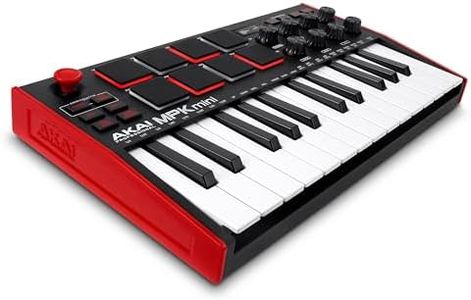
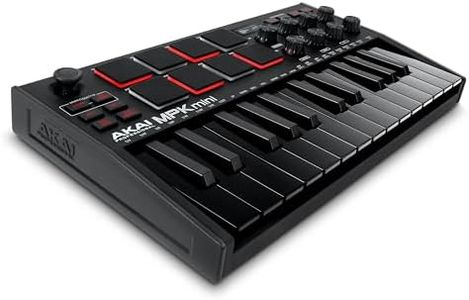
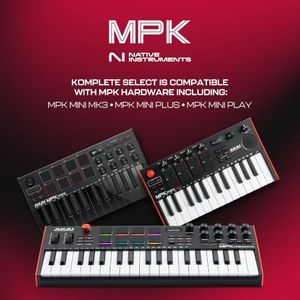
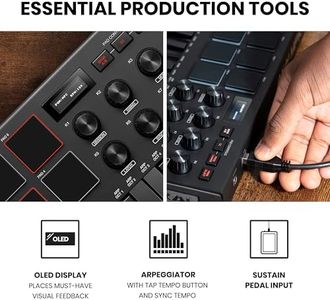
Akai Professional MPK Mini MK3 25 Key USB MIDI Keyboard Controller With 8 Backlit Drum Pads, 8 Knobs, Music Production Software and Native Instruments Sound Package (NKS Integration), Grey

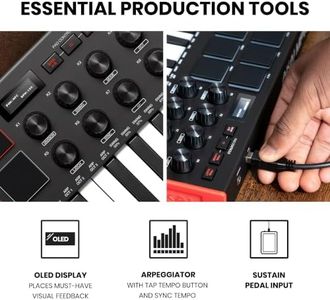
The Akai Professional MPK Mini MK3 is a compact and highly portable MIDI keyboard with 25 velocity-sensitive mini keys, making it a solid choice for producers who need a space-saving controller without sacrificing essential playability. While the keys are smaller than full-sized ones, they respond well to different playing dynamics, which is great for electronic music production and beat making. Connectivity is straightforward with USB power and connection, plus a sustain pedal input, fitting well into most home studio setups.

Rating
10.0
Chosen by1,173
Number of Keys
Key Action
Connectivity

Most important from
30540 reviews

Number of Keys
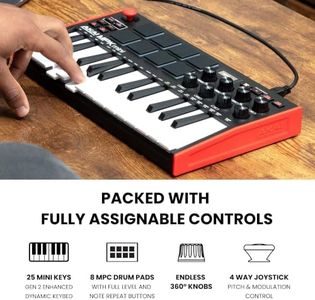
With 25 mini keys spanning two octaves and octave shift buttons, the MPK Mini MK3 balances portability and usability without compromising playability.
Key Action
The keys offer a very comfortable sensitivity and respond smoothly to different playing dynamics, making them ideal for beat making and electronic music production.
Connectivity
Setup is effortless with true plug-and-play functionality, seamlessly integrating with various DAWs and software without any hassle.
Control Features
The pads are highly responsive with no noticeable delay, and their rubberized surface prevents finger slips during intense finger drumming sessions.
Software Compatibility
The inclusion of software bundles and DAWs adds significant versatility, making it a comprehensive starter kit for music production.
Build Quality and Portability
Despite its compact size, the keyboard feels professional and sturdy, built from solid, durable materials that ensure long-lasting use.
#2
9.7 score

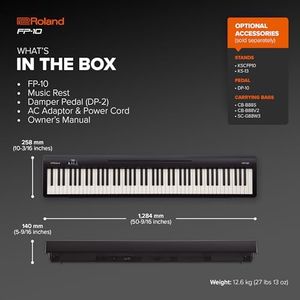
Roland FP-10 | Compact 88-Note Digital Piano | SuperNATURAL Piano Tones | Authentic Acoustic Feel Keyboard | Great for Beginners & Experienced Players | Bluetooth & MIDI Connectivity
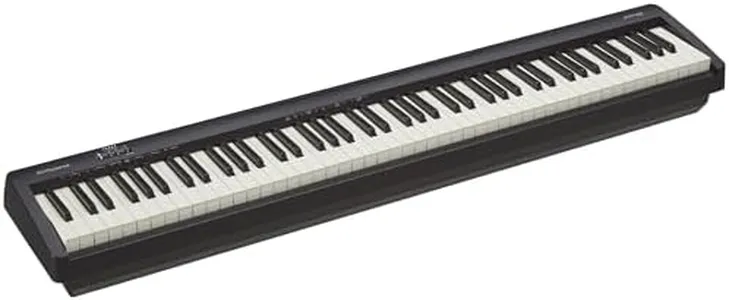
The Roland FP-10 is an 88-key digital keyboard that offers a rich, responsive tone thanks to Roland's SuperNATURAL piano sound engine. The 88-key hammer-action keyboard with progressively weighted keys provides a realistic piano touch, making it suitable for beginners looking for an authentic playing experience.

Rating
9.7
Key Action
Connectivity
Control Features

Most important from
1645 reviews

Key Action
While not exactly like a real piano, the action feel is realistic enough to develop strength and dexterity.
Connectivity
Built-in piano sounds are decent for beginners but connecting to a computer or synthesizer enhances the experience.
Control Features
Custom adjustments like tuning pitch and key transposition elevate this instrument beyond entry-level status.
Build Quality and Portability
The Roland FP-10 exceeds expectations with its lightweight and compact design, making it easy to store after practice.
#3
9.7 score

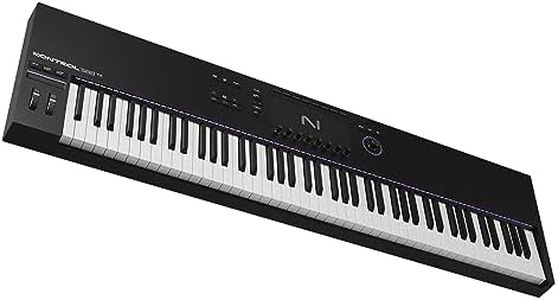
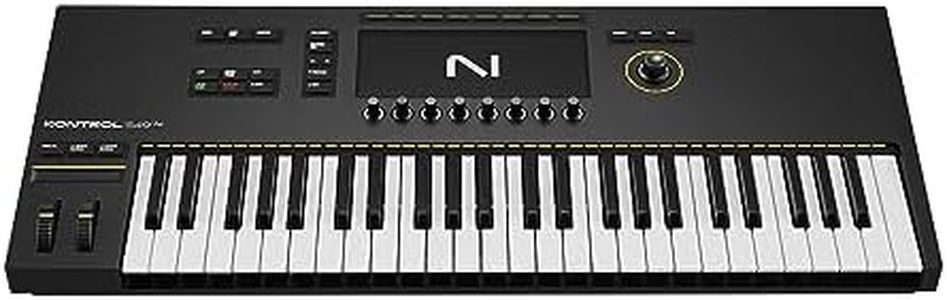
Native Instruments S-Series Komplete Kontrol S88 MK3 Keyboard Controller
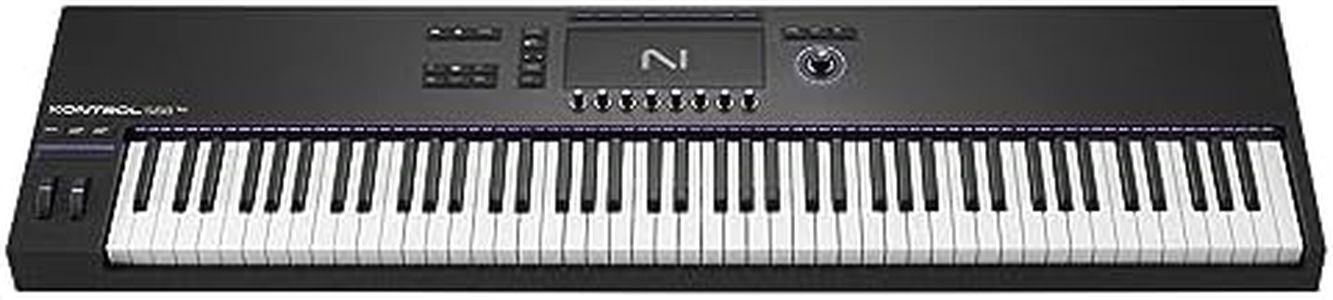
The Native Instruments S-Series Komplete Kontrol S88 MK3 is a high-end midi keyboard designed for professional musicians and producers who want a full 88-key setup with a premium feel. It features semi-weighted keys with polyphonic aftertouch, which means the keys respond realistically to your playing dynamics and can even detect pressure on individual keys for expressive control. Connectivity is straightforward via USB, making it compatible with both PC and Mac systems. One of its standout features is the deep integration with Native Instruments’ own software and other compatible instruments, thanks to the advanced NKS technology. This allows for smooth browsing and tweaking of sounds directly from the keyboard’s bright, full-color screen.

Rating
9.7
Key Action
Connectivity
Control Features

Most important from
124 reviews

Key Action
Semi-weighted keys with polyphonic aftertouch provide an expressive playing experience, allowing nuanced control like vibrato and dynamic sound modulation.
Connectivity
Some controls do not send MIDI data directly, but future firmware updates may enhance this functionality.
Control Features
Touch-sensitive knobs and a bright, full-color LCD screen enable intuitive control and easy navigation through sounds and settings.
Software Compatibility
The keyboard delivers seamless integration with major DAWs like Ableton and FL Studio, making workflow smooth and efficient.
Build Quality and Portability
The build quality is solid and professional, featuring a sleek design with a robust metal and glass construction.

Top 10 Best Midi Keyboards 2026 in the United States
#1

Winner

10.0  score

Akai Professional MPK Mini MK3 25 Key USB MIDI Keyboard Controller With 8 Backlit Drum Pads, 8 Knobs, Music Production Software and Native Instruments Sound Package (NKS Integration), Grey

Number of Keys: 25
Key Action: velocity-sensitive mini keys
Connectivity: USB power, sustain pedal input
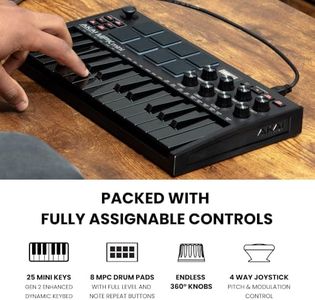
Control Features: 8 backlit pads, 8 knobs, thumbstick
Software Compatibility: NKS, MPC Beats, Hybrid 3
Build Quality and Portability: durable plastic, lightweight, compact

Chosen by 1173 this week

Native Instruments S-Series Komplete Kontrol S88 MK3 Keyboard Controller
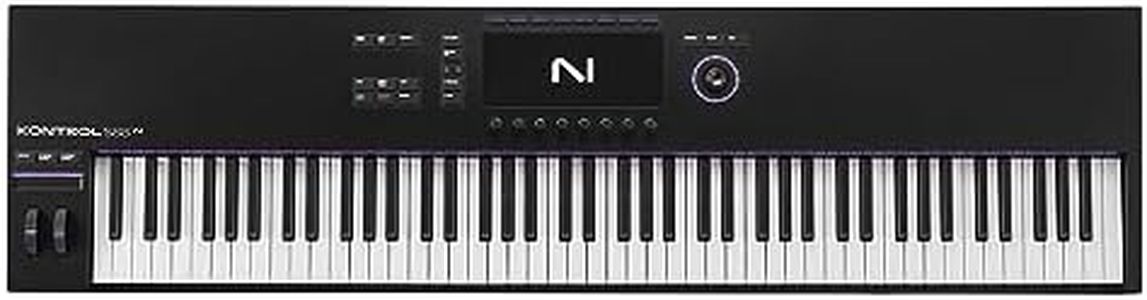
Number of Keys: 88
Key Action: semi-weighted with polyphonic aftertouch
Connectivity: USB
Software Compatibility: Native Instruments Komplete Kontrol, Kontakt
Build Quality and Portability: metal and glass; 39.2 pounds

Akai Professional MPC Key 37 Standalone Production Synthesizer, Drum Machine, MIDI Keyboard, with Wi-Fi, Bluetooth, Touchscreen, Plug-ins, and Native Instruments Integration

Number of Keys: 37
Key Action: synth-action with aftertouch
Connectivity: Wi-Fi, Bluetooth, USB, TRS, MIDI, SD Card, Power Adapter
Control Features: 16 RGB pads, control knobs, touchscreen
Software Compatibility: DAW compatible with Windows/Mac OS
Build Quality and Portability: solid build, decent portability, 8.82 pounds

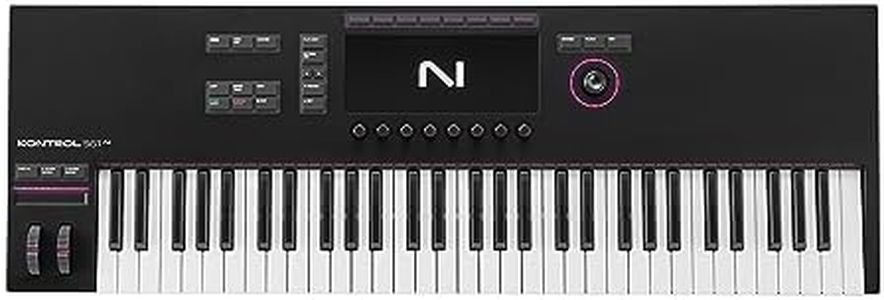
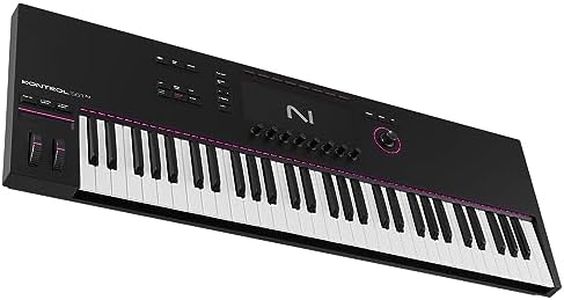
Native Instruments S-Series Komplete Kontrol S61 MK3 Keyboard Controller
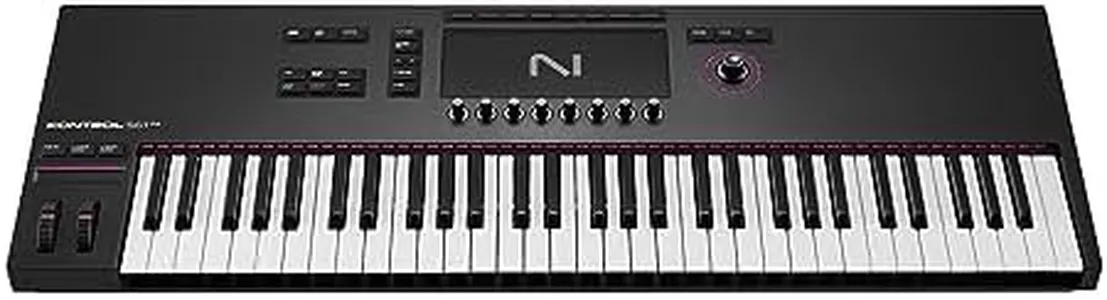
Number of Keys: 61
Key Action: semi-weighted
Connectivity: USB
Control Features: polyphonic aftertouch
Software Compatibility: Ableton Live, Pro Tools, FL Studio
Build Quality and Portability: 13.22 pounds, metal, glass

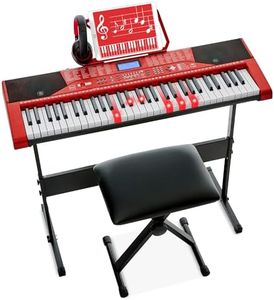
Alesis 88 Key Keyboard Piano with 480 Sounds, Speakers, USB MIDI, Carry-Bag, Stand, Headphones, Pedal and Piano Lessons for Beginners

Number of Keys: 88
Key Action: touch-sensitive
Connectivity: USB, MIDI
Control Features: Split, Lesson, Record
Software Compatibility: USB-MIDI software
Build Quality and Portability: lightweight, portable
How do we rank products for you?

Our technology thoroughly searches through the online shopping world, reviewing hundreds of sites. We then process and analyze this information, updating in real-time to bring you the latest top-rated products. This way, you always get the best and most current options available.

headphones-stars

Buying Guide for the Best Midi Keyboards

Choosing the right MIDI keyboard can significantly enhance your music production experience. A MIDI keyboard is an essential tool for musicians and producers, allowing you to control virtual instruments and other software. When selecting a MIDI keyboard, it's important to consider several key specifications to ensure it meets your needs and preferences. Understanding these specs will help you make an informed decision and find the best fit for your musical style and workflow.
Number of KeysThe number of keys on a MIDI keyboard determines the range of notes you can play. This spec is important because it affects the versatility and playability of the keyboard. MIDI keyboards typically come with 25, 49, 61, or 88 keys. A 25-key keyboard is compact and portable, suitable for basic melodies and bass lines. A 49-key keyboard offers more range and is a good middle ground for most users. A 61-key keyboard provides even more range, ideal for more complex compositions. An 88-key keyboard is full-sized, similar to a traditional piano, and is best for classical pianists or those who need the full range of notes. Choose the number of keys based on your space, portability needs, and the complexity of the music you plan to create.
Key ActionKey action refers to how the keys feel and respond when pressed. This spec is important because it affects the playability and expressiveness of the keyboard. There are three main types of key action: synth-action, semi-weighted, and fully-weighted (hammer action). Synth-action keys are light and springy, suitable for fast playing and electronic music. Semi-weighted keys have a bit more resistance, providing a more piano-like feel while still being responsive. Fully-weighted keys mimic the feel of an acoustic piano, offering the most realistic playing experience. Choose the key action based on your playing style and preference. If you are a pianist, you might prefer fully-weighted keys, while electronic music producers might opt for synth-action keys.
ConnectivityConnectivity options determine how you can connect the MIDI keyboard to your computer or other devices. This spec is important because it affects the compatibility and ease of integration with your setup. Most MIDI keyboards connect via USB, which is simple and widely supported. Some keyboards also offer traditional 5-pin MIDI ports, which are useful for connecting to older hardware. Additionally, some models include Bluetooth for wireless connectivity. Choose the connectivity options based on your existing equipment and how you plan to use the keyboard. USB is generally sufficient for most users, but if you have older gear or want wireless freedom, consider those additional options.
Control FeaturesControl features refer to the additional buttons, knobs, faders, and pads on the MIDI keyboard. This spec is important because it enhances your ability to manipulate sounds and control your music software. Common control features include pitch and modulation wheels, transport controls, and assignable knobs and faders. Some keyboards also have drum pads for finger drumming and triggering samples. Choose the control features based on your workflow and the type of music you create. If you need hands-on control over your software, look for a keyboard with plenty of assignable controls. If you perform live, transport controls and drum pads might be particularly useful.
Software CompatibilitySoftware compatibility refers to how well the MIDI keyboard integrates with your digital audio workstation (DAW) and other music software. This spec is important because it affects the ease of use and functionality of the keyboard. Most MIDI keyboards are compatible with major DAWs like Ableton Live, Logic Pro, and FL Studio. Some keyboards come with dedicated software or presets that enhance integration with specific DAWs. Choose a MIDI keyboard that is compatible with your preferred DAW and any other software you use. Check for any included software bundles, as these can add value and expand your creative possibilities.
Build Quality and PortabilityBuild quality and portability refer to the construction and ease of transport of the MIDI keyboard. This spec is important because it affects the durability and convenience of the keyboard. A well-built keyboard will last longer and withstand the rigors of frequent use. Portability is crucial if you plan to take the keyboard to gigs or move it between different locations. Choose a MIDI keyboard with a sturdy build if you need something durable. If you need to travel with your keyboard, look for a lightweight and compact model. Consider the materials used and the overall design to ensure it meets your durability and portability needs.

FAQ