We Use CookiesWe use cookies to enhance the security, performance, functionality and for analytical and promotional activities. By continuing to browse this site you are agreeing to our privacy policy

10 Best Classical Guitars 2025 in the United States

#1

Winner

10.0 score

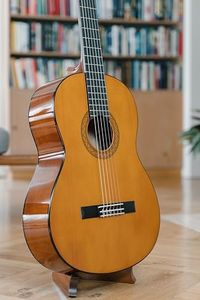
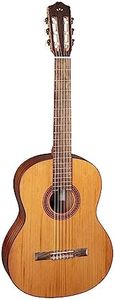
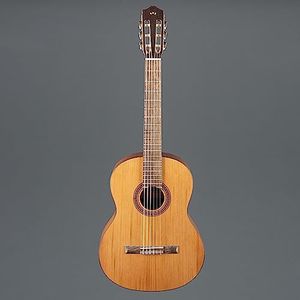
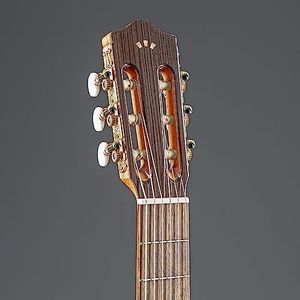
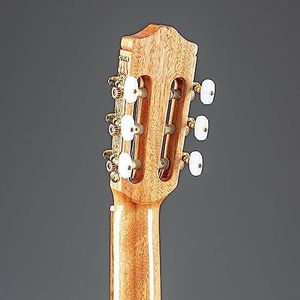
Cordoba C9 CD/MH Acoustic Nylon String Classical Guitar

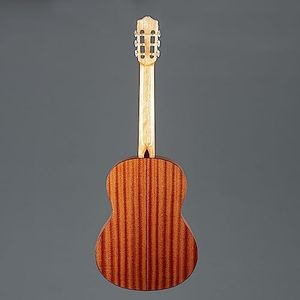
The Cordoba C9 CD/MH is a high-quality classical guitar that features a solid Canadian cedar top and solid mahogany back and sides. These tonewoods are known for producing a warm, rich sound that is highly desirable for classical music. The rosewood fingerboard and Indian rosewood bridge also contribute to the guitar's tone and playability. The guitar has a scale length of 25.6 inches, which is standard for classical guitars, providing a comfortable playing experience for most players.

Rating
10.0
Chosen by1,375
Body Size and Shape
String Type
Action

Most important from
66 reviews

Body Size and Shape
It's comfortable to play, even for someone with short arms and small hands.
String Type
The guitar is light and easy on the fingertips, even with high tension strings.
Action
Artificial harmonics are easy to get, and pieces by Sor and Tarrega sound fantastic.
#2
8.2 score

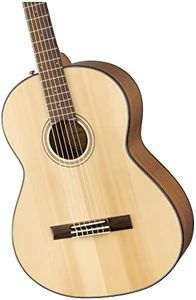
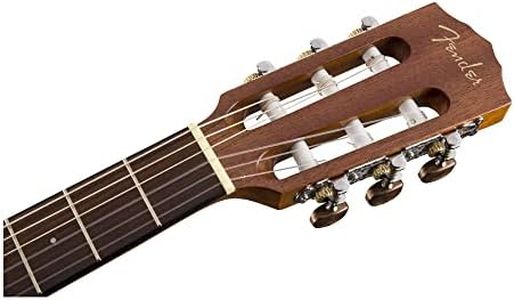
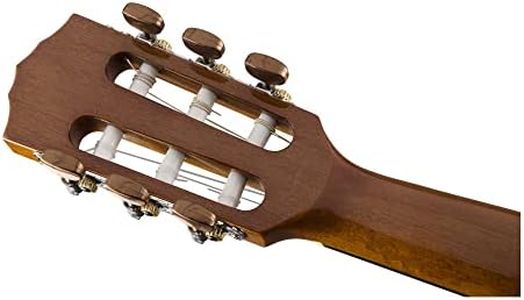
Fender FA-25N 3/4 Size Nylon String Acoustic Guitar, Beginner Guitar, with 2-Year Warranty, Perfect Beginner Guitar for Kids that is Easy on Fingers, Includes 3 Months of Free Lessons, Natural

The Fender 6 String Acoustic Guitar (FA-25N) is an excellent choice for beginners, especially kids and those with smaller hands. Its 3/4 size body makes it lightweight and easy to handle, which is perfect for new players learning the ropes. The nylon strings provide a gentle touch, making it comfortable for fingers that are not yet accustomed to the pressure of playing. With a scale length of 23.3 inches, it offers a manageable reach for younger musicians, while the C-shaped neck is designed to enhance playability.

#3
8.2 score

Kremona Romida RD-S – All-Solid Classical Guitar – Handmade in Europe – Deluxe Hardshell Case Included
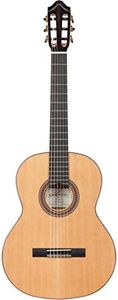
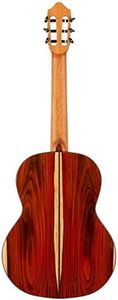
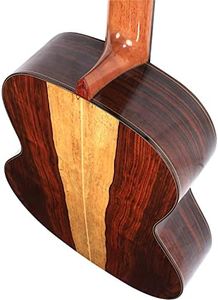
The Kremona Romida RD-S is a nicely crafted classical guitar made with quality solid woods, including a European spruce top and Indian rosewood back, which generally provide a warm, rich tone favored by classical players. The ebony fingerboard and bridge add durability and a smooth feel, while the authentic bone nut and saddle help improve sound clarity. With a scale length of 650 mm, it matches the standard size for classical guitars, making it comfortable for most players. The neck, made of cedar, offers a good balance of strength and playability, suitable for a wide range of preferences. The guitar comes with medium gauge nylon strings, standard for classical guitars, which provide a softer feel than steel strings but can require regular tuning.

Rating
8.2
Tonewood
Scale Length
String Type

Most important from
18 reviews

Tonewood
The guitar delivers a warm, rich tone with a remarkable fullness that rivals instruments costing two to five times more.
Scale Length
The guitar’s traditional design and scale length make it a comfortable fit for most classical players seeking a handmade solid-wood instrument.
String Type
Medium tension strings initially feel firmer but quickly become comfortable, offering a satisfying playing experience.
Action
A slight neck backbow and high nut action were noted, suggesting careful setup might be needed to optimize performance.

Top 10 Best Classical Guitars 2025 in the United States

#1

Winner

10.0  score

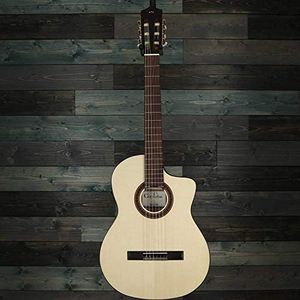
Cordoba C9 CD/MH Acoustic Nylon String Classical Guitar

Tonewood: Solid cedar top, solid mahogany back
Scale Length: 25.6 inches
Body Size and Shape: Traditional classical guitar design
String Type: Nylon
Action: Player-friendly

Chosen by 1375 this week

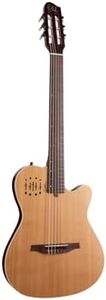
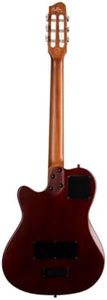
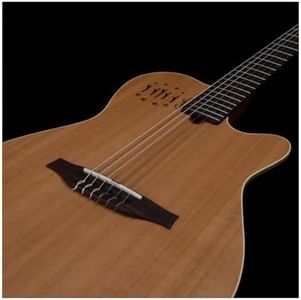
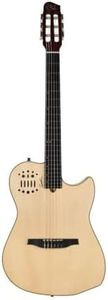
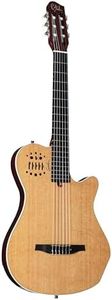
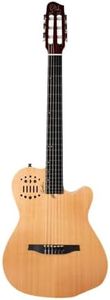
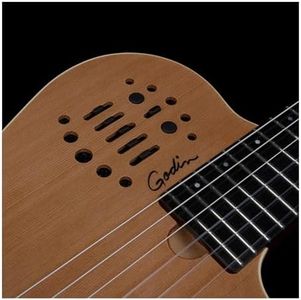
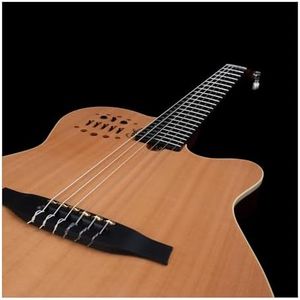
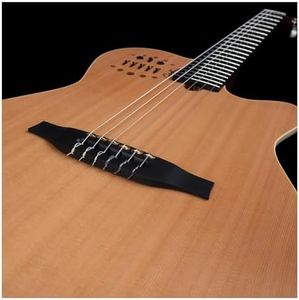
Godin 012817 Grand Concert SA Multiac Guitar (Natural HG)

Tonewood: Cedar top, Mahogany back and neck
Scale Length: 25.5 inches
Body Size and Shape: Concert-sized body
String Type: Nylon
Action: Adjustable double-action truss rod

Fender CN-140SCE Thinline Concert Nylon String Acoustic Guitar, with 2-Year Warranty, Black, with Case

Tonewood: Solid cedar top, ovangkol back and sides
Scale Length: 25.3 inches
Body Size and Shape: Thinline concert body with cutaway
String Type: Nylon
Action: High out-of-the-box

Taylor 312ce-N Nylon String Grand Concert, Sapele

Tonewood: Mahogany, Sapele
Neck Width: 1.875 inches
Scale Length: 25.5 inches
Body Size and Shape: Grand Concert
String Type: Nylon

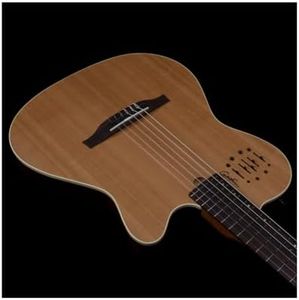
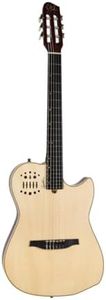
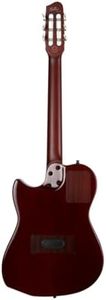
Godin MultiAc Nylon Deluxe Acoustic-electric Guitar - Natural

Tonewood: Spruce and Mahogany
Body Size and Shape: Chambered, lighter size
String Type: Nylon
Action: Manageable

Taylor 214ce-N Nylon-string Acoustic-electric Guitar - Natural

Tonewood: Spruce top, walnut back, mahogany neck
Scale Length: 25.5 inches
Body Size and Shape: 43.6 inches, full-sized
String Type: Nylon

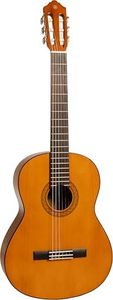
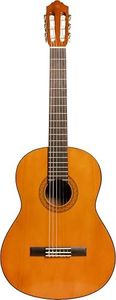
Yamaha Student Series CGS103AII Classical Guitar, Natural

Tonewood: Spruce top, Meranti back and sides
Scale Length: 23 inches
Body Size and Shape: 3/4 Size
String Type: Nylon
Action: Comfortable for students
How do we rank products for you?

Our technology thoroughly searches through the online shopping world, reviewing hundreds of sites. We then process and analyze this information, updating in real-time to bring you the latest top-rated products. This way, you always get the best and most current options available.

headphones-stars

Buying Guide for the Best Classical Guitars

Choosing the right classical guitar can be a rewarding experience, but it requires some understanding of the key specifications that differentiate one model from another. By focusing on these key specs, you can find a guitar that suits your playing style, skill level, and personal preferences. Here are the main factors to consider when selecting a classical guitar.
TonewoodTonewood refers to the type of wood used in the construction of the guitar, particularly the top, back, and sides. This is important because different woods produce different sounds. For example, spruce tops are known for their bright and clear tone, while cedar tops offer a warmer, more mellow sound. If you prefer a brighter sound, go for spruce. If you like a warmer tone, cedar might be the better choice. The back and sides also contribute to the overall sound, with rosewood providing a rich, full tone and mahogany offering a more balanced sound.
Neck WidthThe neck width of a classical guitar affects playability, especially for beginners or those with smaller hands. Classical guitars typically have wider necks compared to other types of guitars. A standard classical guitar neck is about 2 inches wide at the nut. If you have smaller hands or are just starting out, you might find a slightly narrower neck more comfortable. Conversely, if you have larger hands or prefer more space between the strings, a standard or wider neck might be better.
Scale LengthScale length is the distance from the nut to the saddle and affects the tension and feel of the strings. Classical guitars usually have a scale length of around 25.6 inches. A longer scale length means higher string tension, which can produce a louder and more resonant sound but may be harder to play. A shorter scale length has lower tension, making it easier to play but potentially sacrificing some volume and resonance. Choose a scale length that feels comfortable for your playing style and hand strength.
Body Size and ShapeThe size and shape of the guitar body influence both the sound and comfort of the instrument. Classical guitars come in various sizes, from full-size to smaller, more compact models. A full-size guitar typically offers a richer, fuller sound, while a smaller body might be more comfortable to hold and play, especially for younger players or those with smaller frames. Consider your body size and how comfortable you feel holding the guitar when making your choice.
String TypeClassical guitars use nylon strings, which are softer on the fingers and produce a warm, mellow tone. However, there are different types of nylon strings, such as high-tension and low-tension. High-tension strings offer more volume and a brighter tone but can be harder to press down. Low-tension strings are easier to play but may not be as loud or bright. If you're a beginner, you might prefer low-tension strings for their ease of play. More experienced players might choose high-tension strings for their enhanced sound quality.
ActionAction refers to the height of the strings above the fretboard. This is important because it affects playability and comfort. Lower action makes it easier to press the strings down, which is ideal for beginners or those who play for extended periods. Higher action can produce a cleaner sound with less buzzing but requires more finger strength. If you're just starting out or prefer a more comfortable playing experience, look for a guitar with lower action. If you're an advanced player seeking better sound quality, you might opt for higher action.

FAQ