We Use CookiesWe use cookies to enhance the security, performance, functionality and for analytical and promotional activities. By continuing to browse this site you are agreeing to our privacy policy

10 Best Banjos 2026 in the United States

#1

Winner

10.0 score

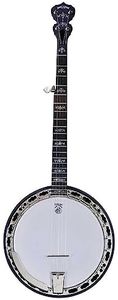
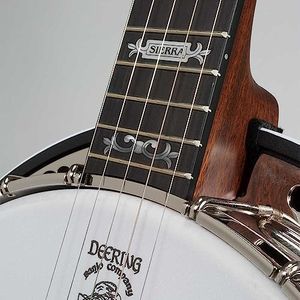
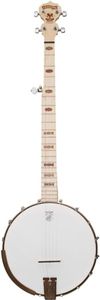
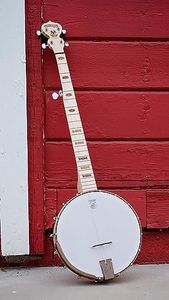
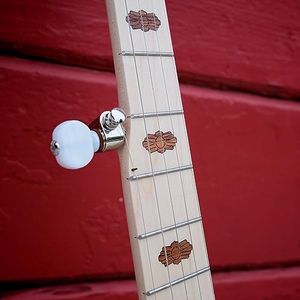
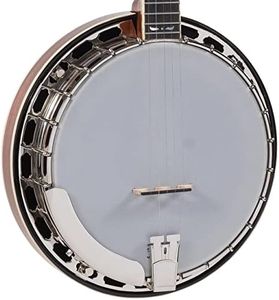
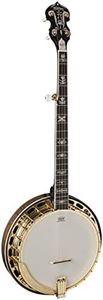
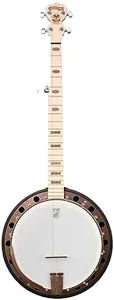
Deering Goodtime 2 5-String Maple Resonator Bluegrass Banjo 1920's Art Deco Inlay Bronze Powder Coat Hardware with Instrument Alley Hard Case Combo
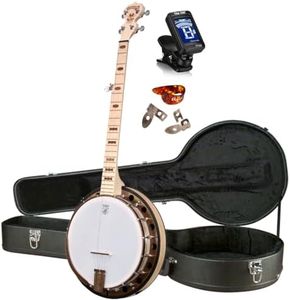
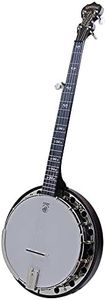
The Deering Goodtime 2 is a 5-string resonator banjo designed with bluegrass players in mind, featuring a maple neck and a 3-ply maple/poplar resonator rim that helps produce a bright, focused sound typical of this style. Its neck has a comfortable 'D' shape with 22 nickel silver frets, which gives you plenty of room to play, and a standard 1 1/4" nut width that feels familiar to most players. The resonator design means the banjo projects well and has a louder, punchier tone compared to open-back models, making it a great option for stage or jam sessions where volume and clarity matter.

#2
9.1 score

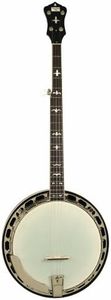
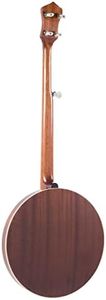
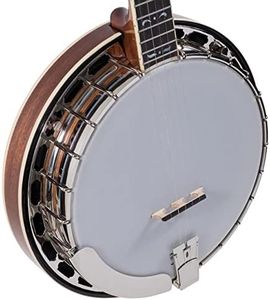
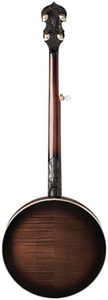
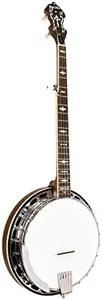
Washburn Americana Series B17K-D 5 String Banjo Sunburst
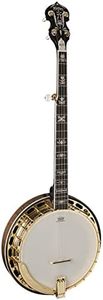
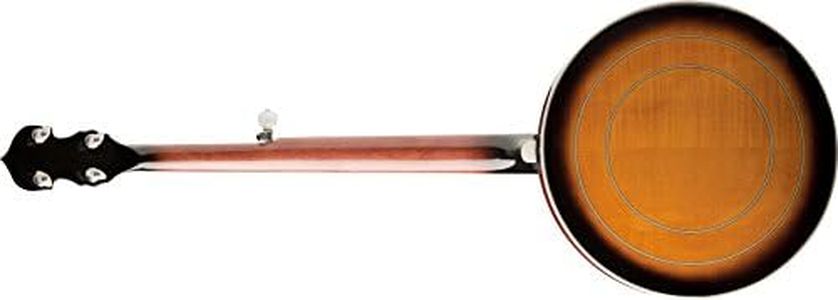
The Washburn Americana Series B17K-D is a 5-string banjo designed with a Flame Maple resonator and rim, which generally helps produce a bright, projecting sound ideal for bluegrass and other lively styles. Its resonator design means it’s built to push sound forward, making it suitable for players who want their banjo to stand out in a band or group setting. The maple neck and rim provide durability and a classic tone, while the use of Planetary Gold tuners helps with stable tuning, which is important for beginners and intermediate players alike. The included D’Addario J60+ light gauge strings offer a comfortable playing experience without being too stiff.

#3
8.5 score

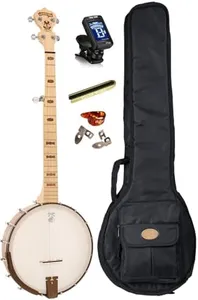
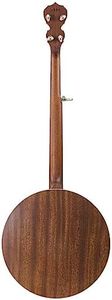
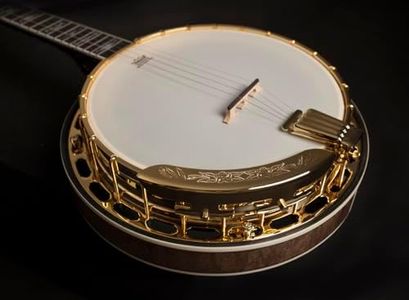
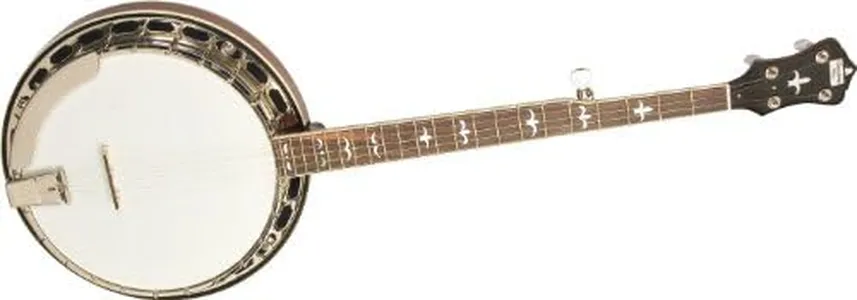
Deering Goodtime Openback 5-String Banjo Left Handed

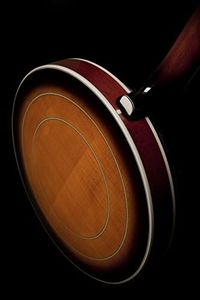
The Deering Goodtime Openback 5-String Banjo is a great choice for left-handed players, especially those just starting out. It’s an open-back banjo, which tends to have a softer, mellower sound compared to resonator models—perfect for folk, old-time, or beginner players who want a more traditional tone. Weighing only 4.5 pounds, it’s lightweight and easy to handle, making longer playing sessions more comfortable. The neck and rim are made from maple wood, known for durability and bright sound qualities. With a scale length of 26.25 inches and a full-size fretboard, it suits players who want a standard setup that allows for comfortable finger positioning. The 5-string configuration is typical for this style and supports versatile playing. The banjo also features a frosted Mylar head, which helps deliver a clear and balanced tone.

Rating
8.5
Type of Banjo
Resonator vs. Open-Back
Weight

Most important from
227 reviews

Type of Banjo
The Goodtime Openback is a fantastic value, often compared favorably to much more expensive banjos, and is suitable for beginners, intermediate players, and casual musicians alike.
Resonator vs. Open-Back
This open-back model offers a softer, mellower sound with good volume for its class, though it may not project as loudly as resonator banjos.
Weight
Its lightweight design, weighing only around 4 to 4.5 pounds, makes it incredibly comfortable to hold for long sessions and easy to carry to any venue.

Top 10 Best Banjos 2026 in the United States

Washburn Americana Series B17K-D 5 String Banjo Sunburst
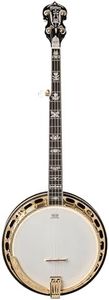
Type of Banjo: 5-string
Resonator vs. Open-Back: Resonator
Neck Material: Maple
Rim and Tone Ring: Flame Maple resonator and rim
Weight: 9 Pounds

Deering Goodtime Openback 5-String Banjo Left Handed

Type of Banjo: 5-String
Resonator vs. Open-Back: Open Back
Neck Material: Maple
Rim and Tone Ring: Maple wood rim
Scale Length: 26.25
Weight: 4.5 pounds

Deering Goodtime Openback 5 String Banjo - Best Beginner Banjo | Made In U.S.A.

Type of Banjo: 5 String
Resonator vs. Open-Back: Openback
Neck Material: rock maple
Rim and Tone Ring: 3-ply violin maple rim
Scale Length: 26.25
Number of Frets: 22
Weight: 4 pounds

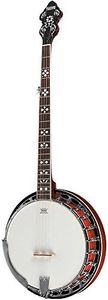
Gold Tone OB-150: Orange Blossom Banjo with Case, 5-String Banjo

Type of Banjo: 5-string
Resonator vs. Open-Back: Resonator
Rim and Tone Ring: 3-ply maple, 11" brass ring
Scale Length: 26-1/4"
Weight: 11.48 pounds

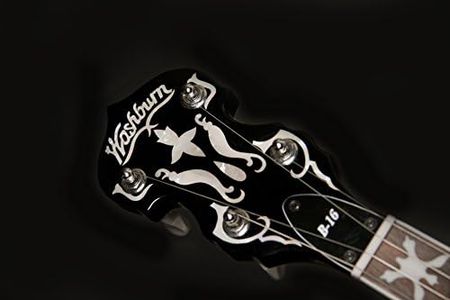
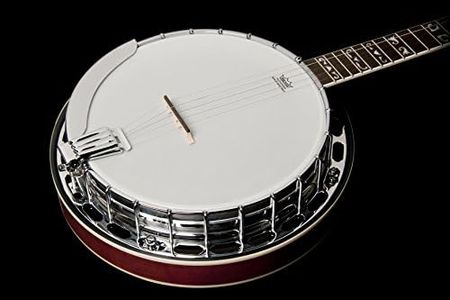
Washburn Americana Series B16K-D 5 String Banjo Sunburst
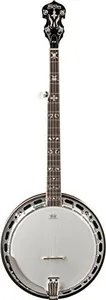
Type of Banjo: 5-string
Resonator vs. Open-Back: Resonator
Neck Material: Maple
Rim and Tone Ring: Maple rim
Scale Length: 28-inch
Weight: 9 pounds

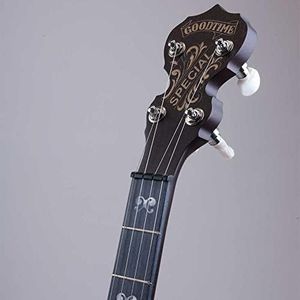
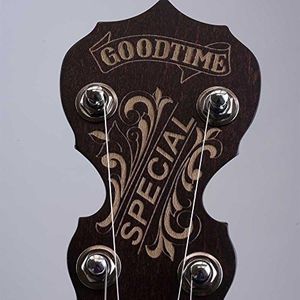
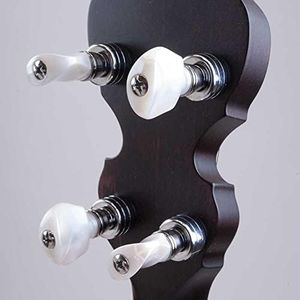
Deering Goodtime Special 5-String Banjo

Type of Banjo: 5-String Banjo
Resonator vs. Open-Back: Resonator
Neck Material: rock maple
Rim and Tone Ring: 3-ply maple rim, steel tone ring
Scale Length: 26.25
Number of Frets: 22
Weight: 8 lbs

Blackgrass Banjo with Maple Top by Deering

Type of Banjo: 5-String
Resonator vs. Open-Back: Resonator
Neck Material: Rock Maple
Rim and Tone Ring: 3-ply maple rim
Number of Frets: 22
Weight: 1 pound
How do we rank products for you?

Our technology thoroughly searches through the online shopping world, reviewing hundreds of sites. We then process and analyze this information, updating in real-time to bring you the latest top-rated products. This way, you always get the best and most current options available.

headphones-stars

Buying Guide for the Best Banjos

Choosing the right banjo can be a rewarding experience, whether you're a beginner or an experienced player. The key to finding the perfect banjo is understanding the different specifications and how they align with your playing style, musical preferences, and skill level. By focusing on the key specs, you can make an informed decision that will enhance your playing experience and help you achieve your musical goals.
Type of BanjoBanjos come in different types, including 4-string, 5-string, and 6-string models. The 5-string banjo is the most common and is often used in bluegrass and folk music. The 4-string banjo, also known as a tenor or plectrum banjo, is popular in jazz and Irish music. The 6-string banjo, also known as a banjitar, is tuned like a guitar and is suitable for guitar players transitioning to the banjo. Choose the type that matches the genre of music you want to play and your current skill set.
Resonator vs. Open-BackBanjos can have either a resonator or an open-back design. A resonator banjo has a wooden back that projects the sound forward, making it louder and brighter, which is ideal for bluegrass and other ensemble settings. An open-back banjo lacks this back piece, resulting in a softer, mellower sound, which is preferred for old-time and clawhammer styles. Consider where and how you plan to play when choosing between these two designs.
Neck MaterialThe neck of a banjo can be made from various woods, such as maple, mahogany, or walnut. Maple necks are known for their bright, clear tone and are often used in bluegrass banjos. Mahogany necks produce a warmer, mellower sound, while walnut necks offer a balance between the two. Your choice of neck material will affect the banjo's tone and playability, so consider the sound you prefer and the feel of the neck in your hands.
Rim and Tone RingThe rim and tone ring are crucial components that influence the banjo's sound. The rim is the circular wooden part of the body, while the tone ring is a metal ring that sits on top of the rim. Banjos with a tone ring tend to have a brighter, more powerful sound, making them suitable for bluegrass and other loud playing styles. Banjos without a tone ring have a softer, more subdued tone, which is ideal for folk and old-time music. Decide based on the volume and tone you desire.
Scale LengthThe scale length of a banjo refers to the distance between the nut and the bridge. A longer scale length (around 26-27 inches) provides more tension on the strings, resulting in a brighter tone and more volume. A shorter scale length (around 23-25 inches) offers less tension, producing a warmer tone and making the banjo easier to play, especially for those with smaller hands. Choose a scale length that feels comfortable and suits your playing style.
Number of FretsBanjos typically have between 19 and 24 frets. More frets allow for a greater range of notes and can be beneficial for advanced players who want to explore higher notes and more complex music. Fewer frets can make the banjo lighter and easier to handle, which might be preferable for beginners or those focusing on traditional playing styles. Consider your playing level and the type of music you want to play when deciding on the number of frets.
WeightThe weight of a banjo can vary significantly depending on its construction and materials. Heavier banjos, often with a resonator and tone ring, provide a louder and more resonant sound but can be more challenging to hold and play for extended periods. Lighter banjos, typically open-back models, are easier to manage and more comfortable for long practice sessions. Think about your physical comfort and how you plan to use the banjo when considering its weight.

FAQ