10 Best 110 Volt Welders 2026 in the United States
Winner
ARCCAPTAIN 250A MIG Welder, 110V 220V Gas MIG/Gasless MIG/Stick/Lift TIG/Spool Gun/Spot 6 in 1 Welding Machine Aluminum Welding Machine Professional Welder Machine with Large LED Display
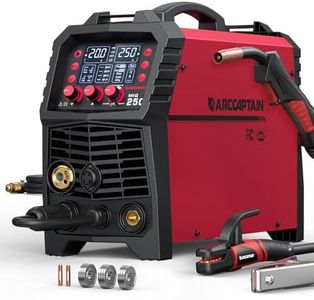
The ARCCAPTAIN 250A MIG Welder is a versatile 6-in-1 machine that supports Gas MIG, Gasless MIG, Stick, Lift TIG, Spool Gun, and Spot welding processes, making it suitable for a wide range of metal types including mild steel, stainless steel, and aluminum. It runs on both 110V and 220V input, adding flexibility for different power sources, which is great if you want to use it at home or in various workshop settings. The machine offers an amperage of up to 250A, which is strong enough for most DIY and light professional welding tasks.
Most important from
166 reviews
YESWELDER 205A MIG Welder, 110V/220V Dual Voltage, 5 in 1 Gas MIG/Flux Core MIG/Spool Gun MIG/Lift TIG/Stick Multiprocess LED Digital Display Aluminum MIG Welding Machine MIG-205DS PRO
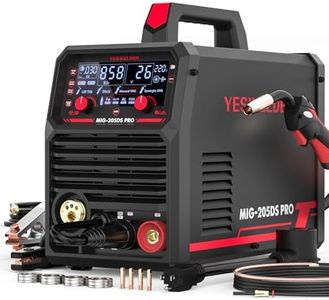
The YESWELDER MIG-205DS PRO is a versatile 5-in-1 welding machine that works with gas MIG, flux core MIG, spool gun MIG, lift TIG, and stick welding, making it a great choice if you want one tool to handle different kinds of projects. It provides up to 200 amps of power and can run on both 110V and 220V input, which adds flexibility depending on your power source. This welder can handle thin and thick materials like steel and aluminum, so it's suitable for automotive work, construction, fabrication, and even DIY tasks.
Most important from
1422 reviews
Millermatic 211 PRO MIG Welder Machine - Dual-Voltage Welder with Dyna-Pulse™ MIG, Auto-Set & Program Mode - Aluminum, Mild & Stainless Steel Wire Feed Gas Welder
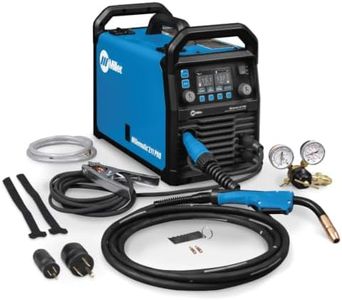
The Millermatic 211 PRO is a highly versatile MIG welder that works with mild steel, stainless steel, and aluminum (with a spool gun), making it a solid choice for a variety of welding tasks. It supports both flux core and gas wire welding processes, which adds flexibility depending on your project. The welder operates on dual voltage (120V and 240V), so it can be used in most home and workshop power settings without needing extra equipment, which is great for portability and convenience. It weighs 46 pounds, making it fairly portable for a machine with its capabilities, though it’s not the lightest option out there.
Most important from
27 reviews
Top 10 Best 110 Volt Welders 2026 in the United States

Winner
ARCCAPTAIN 250A MIG Welder, 110V 220V Gas MIG/Gasless MIG/Stick/Lift TIG/Spool Gun/Spot 6 in 1 Welding Machine Aluminum Welding Machine Professional Welder Machine with Large LED Display

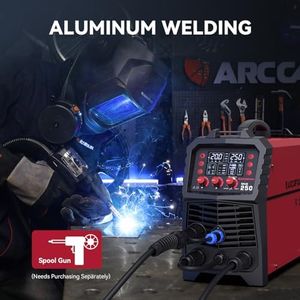


ARCCAPTAIN 250A MIG Welder, 110V 220V Gas MIG/Gasless MIG/Stick/Lift TIG/Spool Gun/Spot 6 in 1 Welding Machine Aluminum Welding Machine Professional Welder Machine with Large LED Display
Chosen by 1238 this week
YESWELDER 205A MIG Welder, 110V/220V Dual Voltage, 5 in 1 Gas MIG/Flux Core MIG/Spool Gun MIG/Lift TIG/Stick Multiprocess LED Digital Display Aluminum MIG Welding Machine MIG-205DS PRO
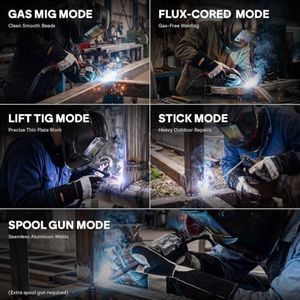
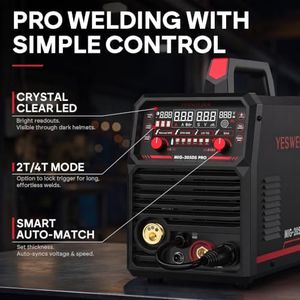
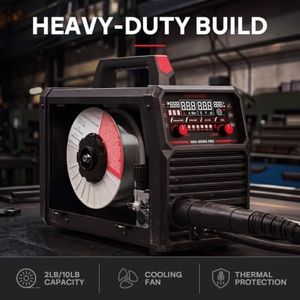
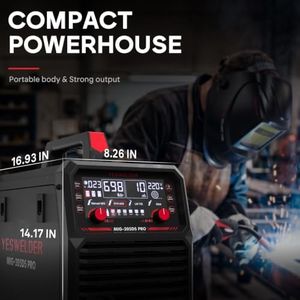
YESWELDER 205A MIG Welder, 110V/220V Dual Voltage, 5 in 1 Gas MIG/Flux Core MIG/Spool Gun MIG/Lift TIG/Stick Multiprocess LED Digital Display Aluminum MIG Welding Machine MIG-205DS PRO
Millermatic 211 PRO MIG Welder Machine - Dual-Voltage Welder with Dyna-Pulse™ MIG, Auto-Set & Program Mode - Aluminum, Mild & Stainless Steel Wire Feed Gas Welder
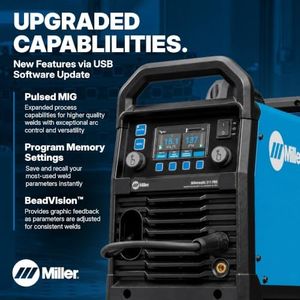
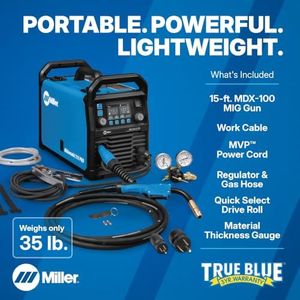
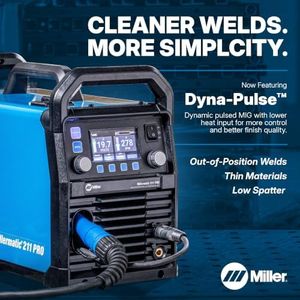
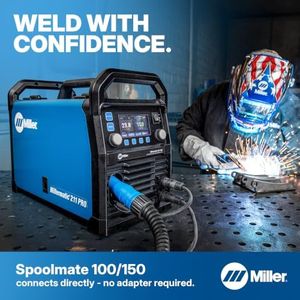
Millermatic 211 PRO MIG Welder Machine - Dual-Voltage Welder with Dyna-Pulse™ MIG, Auto-Set & Program Mode - Aluminum, Mild & Stainless Steel Wire Feed Gas Welder
YESWELDER 165A MIG Welder, 110V/220V Dual Voltage, 4 in 1 Gas MIG/Flux Core MIG/Lift TIG/Stick Multiprocess Large LED Digital Display MIG Welding Machine
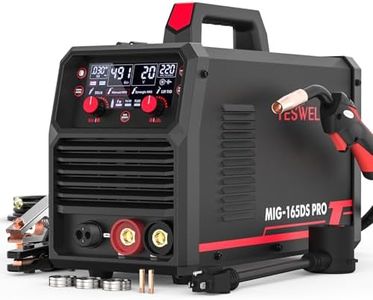


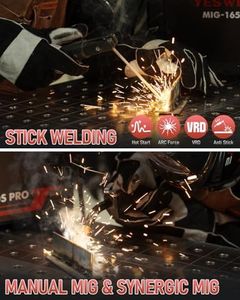
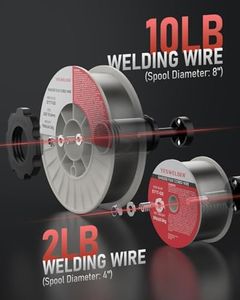
YESWELDER 165A MIG Welder, 110V/220V Dual Voltage, 4 in 1 Gas MIG/Flux Core MIG/Lift TIG/Stick Multiprocess Large LED Digital Display MIG Welding Machine
YESWELDER 185A MIG Welder, 110V/220V Dual Voltage, Flux Core MIG/Gas MIG/Spool Gun MIG/Lift TIG/Stick 5 in 1 Multi-process, LED Digital Display Synergic Control Aluminum Welding Machine
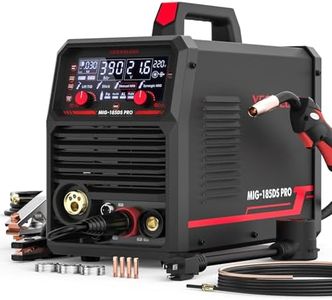
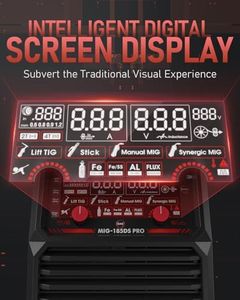
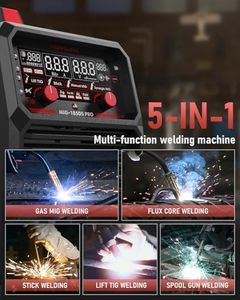
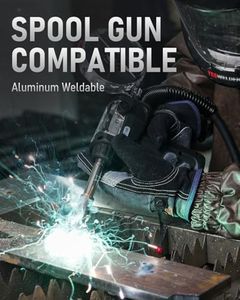
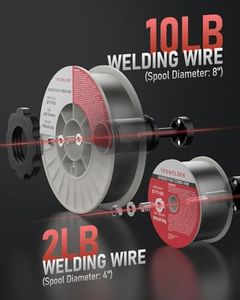
YESWELDER 185A MIG Welder, 110V/220V Dual Voltage, Flux Core MIG/Gas MIG/Spool Gun MIG/Lift TIG/Stick 5 in 1 Multi-process, LED Digital Display Synergic Control Aluminum Welding Machine
Related Products
Up to 20% off
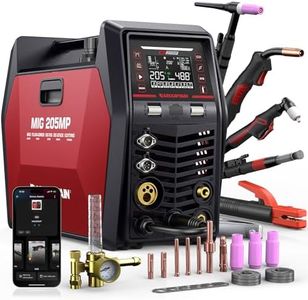
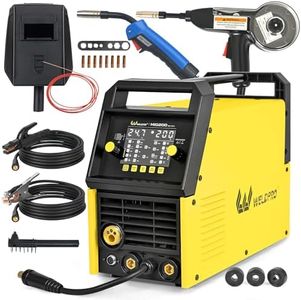
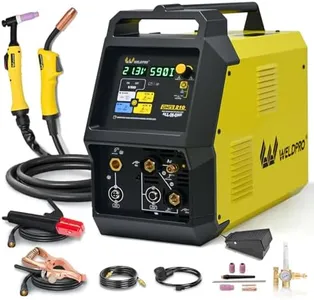
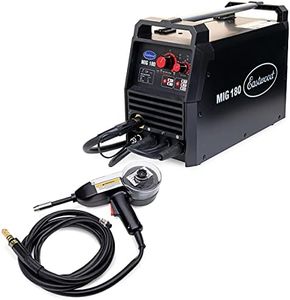
ARCCAPTAIN 165A MIG Welder 110V/220V [Large LED Display] 4 in 1 Gasless/Gas MIG/Lift TIG/Stick Welding Machine Multiprocess Welder Machine, IGBT Inverter Welder with Synergy, 2T/4T
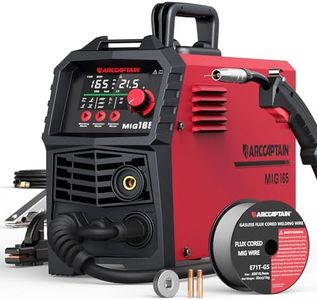
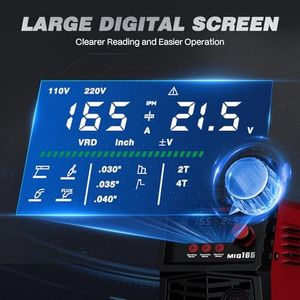
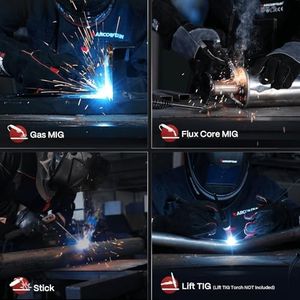
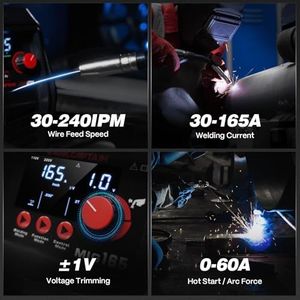
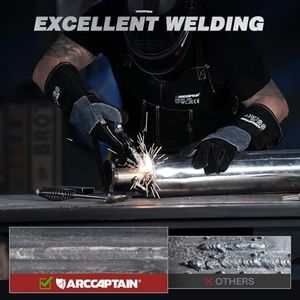
ARCCAPTAIN 165A MIG Welder 110V/220V [Large LED Display] 4 in 1 Gasless/Gas MIG/Lift TIG/Stick Welding Machine Multiprocess Welder Machine, IGBT Inverter Welder with Synergy, 2T/4T
ARCCAPTAIN 160A MIG Welder 110V 220V 4 in 1 Welding Machine Gas MIG, Gasless MIG Flux Core Welder, Lift TIG, MMA Stick Welder, Welder Machine with Synergy for Beginner IGBT Inverter Portable Welder
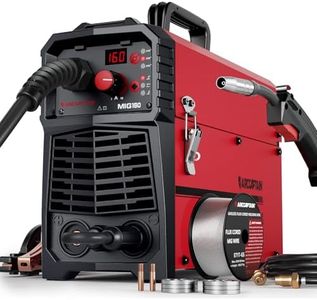
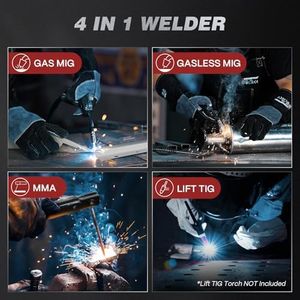
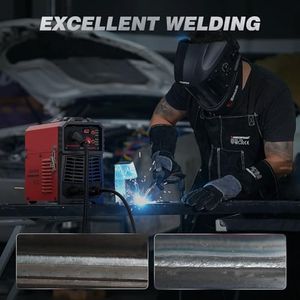
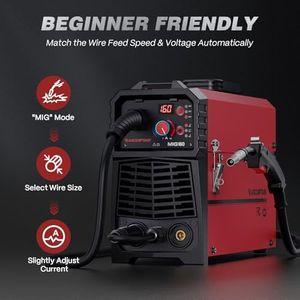
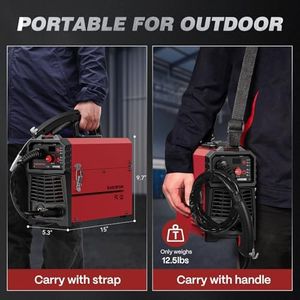
ARCCAPTAIN 160A MIG Welder 110V 220V 4 in 1 Welding Machine Gas MIG, Gasless MIG Flux Core Welder, Lift TIG, MMA Stick Welder, Welder Machine with Synergy for Beginner IGBT Inverter Portable Welder
YESWELDER 6-In-1 Multifunctional Welders Combo&Plasma Cutter, MIG/Flux Core MIG/CUT/TIG/Stick/Spool Gun Compatible, 200A MIG/TIG/Stick & 50A CUT, 110V/220V MCT-520
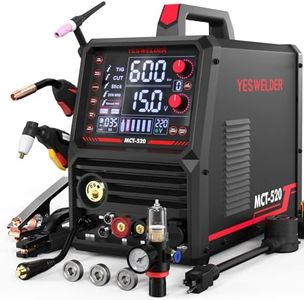
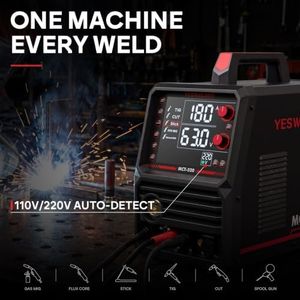
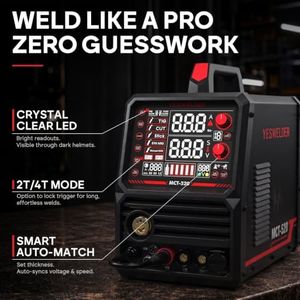
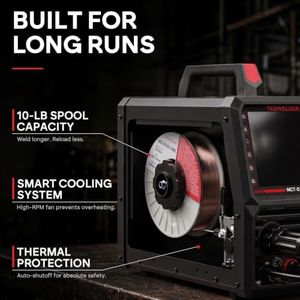
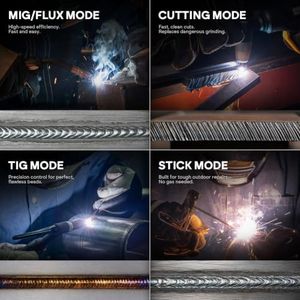
YESWELDER 6-In-1 Multifunctional Welders Combo&Plasma Cutter, MIG/Flux Core MIG/CUT/TIG/Stick/Spool Gun Compatible, 200A MIG/TIG/Stick & 50A CUT, 110V/220V MCT-520
Miller 907757 Multimatic 220 AC/DC Multiprocess Welder - Versatile Multi-Process MIG, Flux-Cored & TIG Welder Machine - Portable Welding Machine with MIG Gun, TIG Torch & Multi-Voltage Plug 120V&240V
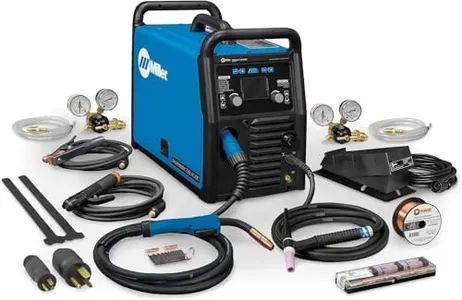


Miller 907757 Multimatic 220 AC/DC Multiprocess Welder - Versatile Multi-Process MIG, Flux-Cored & TIG Welder Machine - Portable Welding Machine with MIG Gun, TIG Torch & Multi-Voltage Plug 120V&240V
Lincoln Electric K4876-1 POWER MIG 215 MPi Multi-Process Welder
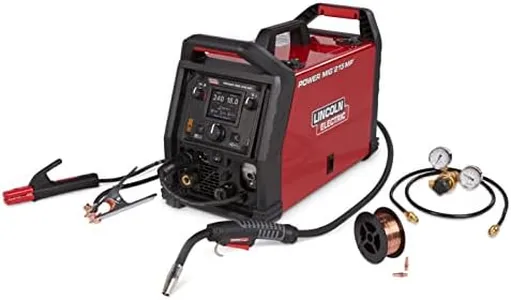


Lincoln Electric K4876-1 POWER MIG 215 MPi Multi-Process Welder
Recommended lists
Welders
Our technology thoroughly searches through the online shopping world, reviewing hundreds of sites. We then process and analyze this information, updating in real-time to bring you the latest top-rated products. This way, you always get the best and most current options available.
