We Use CookiesWe use cookies to enhance the security, performance, functionality and for analytical and promotional activities. By continuing to browse this site you are agreeing to our privacy policy

10 Best Ground Resistance Testers 2026 in the United States

#1

Winner

10.0 score

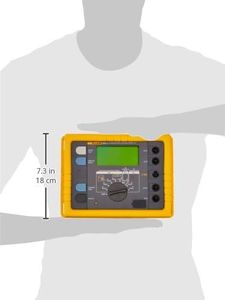
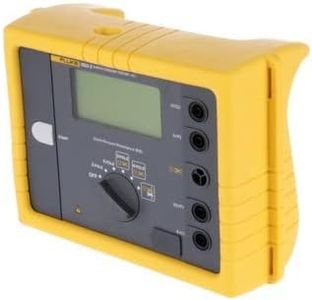
Fluke 4325181 Advanced Geo Earth Ground Tester Kit
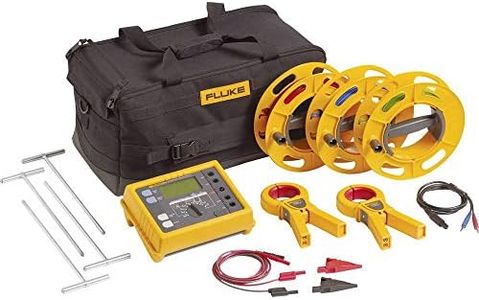
The Fluke 4325181 Advanced Geo Earth Ground Tester Kit is a versatile and professional tool designed for ground resistance testing. It supports multiple test methods including 3 and 4 pole Fall of potential, earth resistance loop testing, 4 pole soil resistivity testing, and both selective and stakeless earth ground testing using clamps. This variety in testing methods makes it a robust choice for professionals needing comprehensive ground resistance measurements.

#2
9.7 score

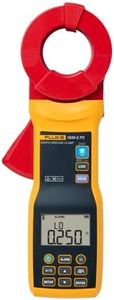
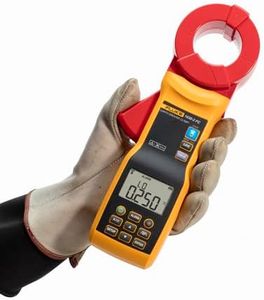
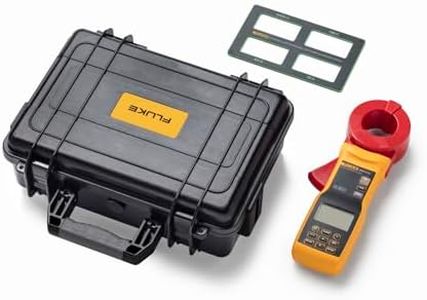
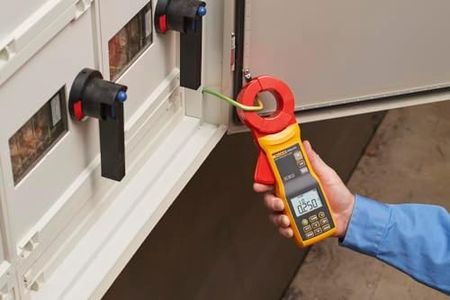
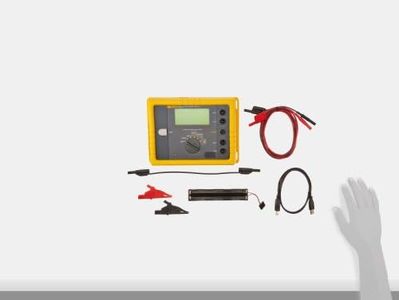
Fluke 1630-2 FC Earth Ground Clamp

The Fluke 1630-2 FC Earth Ground Clamp is a strong choice for professionals needing reliable ground testing without the hassle of disconnecting the grounding system. One of its standout features is the ability to measure ground loop impedance effortlessly, making it efficient for on-site evaluations. The new rugged jaw design ensures durability, which is essential for tough working conditions, while maintaining accuracy even with rough handling. This tool is also equipped to save and share data through Fluke Connect, enhancing usability and collaboration for teams.

Rating
9.7
Additional Features

Most important from
27 reviews

Additional Features
Comes equipped with a carrying case, calibration plate, and all necessary instructions for operation and software.
#3
9.1 score

Fluke 1625-2 Advanced Geo Earth Ground Tester
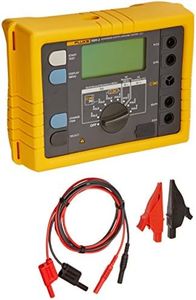
The Fluke 1625-2 Advanced Geo Earth Ground Tester is a solid choice for professionals needing reliable and versatile ground resistance testing. It supports multiple test methods including 3 and 4 pole fall of potential, soil resistivity, and selective or stakeless clamp testing, offering flexibility for various grounding conditions. Its measurement accuracy of ±(1% reading + 2 digits) is quite precise, helping ensure trustworthy results for safety and compliance.

Top 10 Best Ground Resistance Testers 2026 in the United States
#1

Winner

10.0  score

Fluke 4325181 Advanced Geo Earth Ground Tester Kit

Accuracy: well-regarded
Test Methods: 3 and 4 pole testing
Display and Interface: intuitive
Durability and Build Quality: IP56 dust and water resistance
Additional Features: battery-powered, yellow, 1.1 kg

Chosen by 1147 this week

Fluke 1630-2 FC Earth Ground Clamp
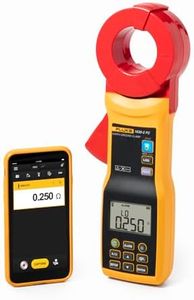
Accuracy: accurate with rough handling
Test Methods: measure ground loop impedance
Display and Interface: save and share via Fluke Connect
Durability and Build Quality: rugged jaw ensures durability
Additional Features: tests without driving stakes

Fluke 1625-2 Advanced Geo Earth Ground Tester
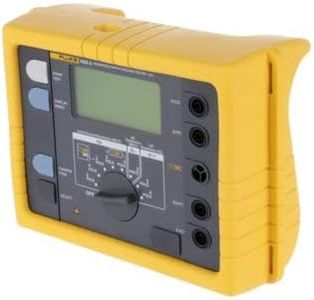
Accuracy: ±(1% reading + 2 digits)
Test Methods: 3 & 4 pole, soil resistivity, clamp
Durability and Build Quality: Meets CE, CSA, EN, ETL, ISO, RoHS
Additional Features: Battery powered, 3000h life, lightweight

AEMC 6416#2141.01 Ground CLAMP M,Yellow
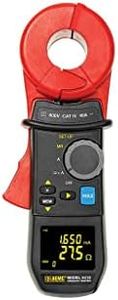
Display and Interface: OLED display
Additional Features: Touch voltage display, calibration certificate

Megger DET24C Digital Earth Test Clamp-On Ground Resistance Meter, with Data Storage & Downloading
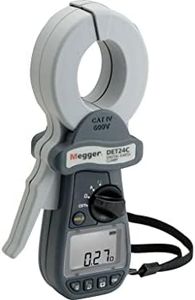
Test Methods: Clamp-on ground resistance
Display and Interface: Bluetooth
Durability and Build Quality: CAT IV 600 V
Additional Features: Noise filter function

Fluke 4325155 Basic Geo Earth Ground Tester
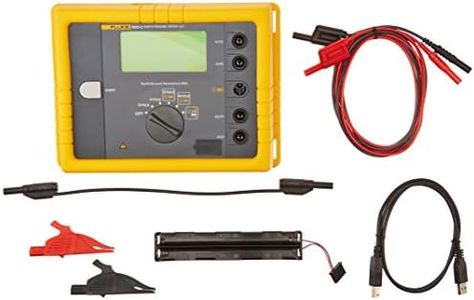
Test Methods: 3- and 4-pole, soil resistivity, clamps
Durability and Build Quality: solid build, suitable for outdoor use
Additional Features: portable, lightweight, multiple test methods

AEMC 6417 (2141.02) Ground Resistance Tester Yellow
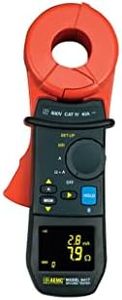
Accuracy: NIST-traceable calibration certificate
Display and Interface: large OLED display
Durability and Build Quality: durable, easy to handle, 1 pound
Additional Features: Bluetooth, alarm, memory, DataView software

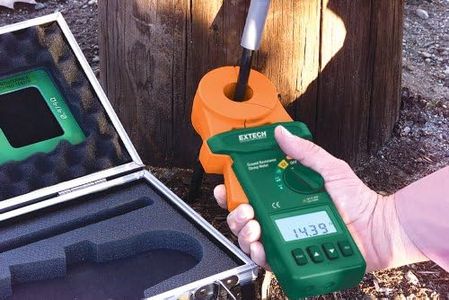
Extech 382357 Clamp-on Ground Resistance Tester
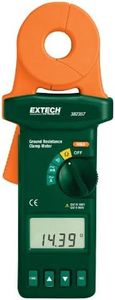
Accuracy: +/-0.5%
Test Methods: 4-Wire Earth Ground Resistance
Display and Interface: User-friendly interface
Durability and Build Quality: Durable metal case, robust build
Additional Features: Battery-powered, includes 9V battery

AEMC 4620 4-Point Ground Resistance Tester Kit, 2000 Ohms Resistance, 10mA Current with 150' Leads
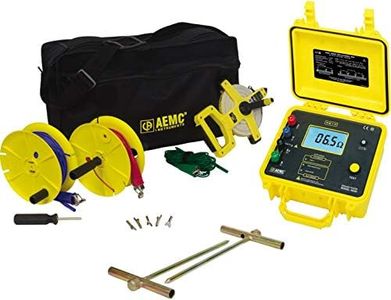
Measurement Range: up to 2000 Ohms
Test Methods: 4-point, 2- and 3-point testing
Display and Interface: large, easy-to-read LCD
Durability and Build Quality: robust, 26.8 pounds
Additional Features: color-coded terminals, auto-ranging
How do we rank products for you?

Our technology thoroughly searches through the online shopping world, reviewing hundreds of sites. We then process and analyze this information, updating in real-time to bring you the latest top-rated products. This way, you always get the best and most current options available.

headphones-stars

Buying Guide for the Best Ground Resistance Testers

Ground-resistance testers are essential tools for measuring the resistance of the earth to the passage of electric current. This is crucial for ensuring the safety and effectiveness of electrical systems, particularly in grounding systems. When choosing a ground-resistance tester, it's important to consider several key specifications to ensure you select the right one for your needs. Understanding these specifications will help you make an informed decision and ensure that the tester you choose is suitable for your specific applications.
Measurement RangeThe measurement range of a ground-resistance tester indicates the range of resistance values it can accurately measure. This is important because different applications may require testing of very low or very high resistance values. Typically, testers are divided into ranges such as low (0.01 to 200 ohms), medium (200 to 2000 ohms), and high (2000 ohms and above). For general electrical grounding, a low to medium range is usually sufficient. However, for specialized applications, such as testing large grounding systems or soil resistivity, a higher range may be necessary.
AccuracyAccuracy refers to how close the tester's readings are to the actual resistance values. This is crucial for ensuring reliable and precise measurements. Accuracy is often expressed as a percentage of the reading plus a fixed value (e.g., ±2% + 0.1 ohms). Higher accuracy is generally better, but it may not be necessary for all applications. For routine checks and general use, a standard accuracy level is usually adequate. For critical applications, such as in industrial settings or for compliance testing, higher accuracy may be required.
Test MethodsGround-resistance testers can use different test methods, such as the three-point fall-of-potential method, the two-point method, and the clamp-on method. The three-point method is the most accurate and is used for precise measurements, while the two-point method is simpler but less accurate. The clamp-on method is convenient for quick checks without disconnecting the ground system. Choose a tester with the test method that best suits your needs. For detailed and accurate testing, the three-point method is ideal. For quick and easy checks, the clamp-on method is more practical.
Display and InterfaceThe display and interface of a ground-resistance tester determine how easy it is to read and interpret the results. A clear, backlit digital display is preferable for visibility in various lighting conditions. Some testers also offer additional features like data hold, auto-ranging, and graphical displays. A user-friendly interface with intuitive controls can make the testing process more efficient and reduce the likelihood of errors. Consider your working environment and choose a tester with a display and interface that will be easy to use in those conditions.
Durability and Build QualityDurability and build quality are important for ensuring that the ground-resistance tester can withstand the conditions in which it will be used. Testers used in fieldwork should be rugged and resistant to dust, water, and impact. Look for testers with robust casings and protective features. For indoor or laboratory use, durability may be less of a concern, but build quality should still be high to ensure long-term reliability. Choose a tester that matches the environmental conditions and frequency of use in your specific application.
Additional FeaturesAdditional features can enhance the functionality and convenience of a ground-resistance tester. These may include data logging, Bluetooth connectivity, software compatibility, and rechargeable batteries. Data logging allows for the storage and later analysis of measurements, which is useful for tracking changes over time. Bluetooth and software compatibility can facilitate easy data transfer and reporting. Rechargeable batteries can be more convenient and cost-effective in the long run. Consider which additional features will be beneficial for your specific needs and choose a tester that offers those capabilities.

FAQ